Why Local Knowledge Matters When Choosing Roofers in Twickenham
Roofing is one of those trades where experience really shows. A bad job can mean leaks, draughts, or worse - structural damage that creeps up over years. When you're looking for roofers in Twickenham, the choice you make matters because the local weather, the age of the housing stock, and even the style of roofs all play a part in what works. I've spent over two decades working on properties across West London, and I've seen what happens when a roofing team doesn't understand these local factors.
The Local Roofing Landscape
Twickenham has a real mix of properties. You've got Victorian terraces with steep pitched roofs, post-war semis with concrete tiles, and more modern developments with flat roofing sections. Each type brings its own challenges. A Victorian slate roof, for instance, often needs careful lead flashing work around chimneys and valleys. A flat roof on a 1970s extension might be better served by EPDM rubber or modern felt roofing than the original asphalt. The point is, a roofer who knows the area will recognise these patterns before they even climb up.
I remember a job in St Margarets, just a few streets from the river. The house was a late Victorian end-of-terrace with a leaking valley gutter. The owners had called a general builder first, who patched it with mastic and roofing felt. It lasted a few months. When we got the call, we stripped the whole valley back, fitted new lead flashing, and made sure the roof underlay was properly lapped. That job held because we understood how the prevailing wind and rain hit that particular roof. That's the kind of judgment that comes from working locally for years.
Materials Matter More Than You Think
One of the first questions a good roofer will ask is what material the existing roof uses. Slate tiles, concrete tiles, clay tiles - they all have different weights, fixing methods, and lifespans. On a recent job in Twickenham, the client wanted to swap old concrete tiles for natural slate. It looked great, but the roof structure needed reinforcing because slate is heavier. We also had to upgrade the roof insulation and add extra roof ventilation to stop condensation forming in the cold loft space. That's the kind of detail that separates a proper job from a quick fix.

Similarly, flat roofing has come a long way. The old mineral felt roofs you see on many Twickenham garages and extensions typically last about ten to fifteen years before they start blistering or cracking. A better option for many properties is EPDM rubber, a single-ply membrane that's flexible, durable, and can be fitted in one piece on smaller roofs. We've used it on several projects in Chiswick and Twickenham, and it's held up really well through the wet winters. But it's not a one-size-fits-all solution. On a roof with lots of penetrations - like a flue, a roof window, or a soil vent - a built-up felt system with multiple layers and sealed laps can be more reliable.
Beyond the Roof: Guttering, Fascias and Soffits
Roofing isn't just about tiles and felt. The guttering, fascia and soffits are what keep water away from the walls and foundations. I've seen plenty of houses where the roof itself is sound, but the gutters are sagging or blocked, causing damp inside the walls. When we work on a property, we always check the whole water-shedding system. If the fascia boards are rotten, new guttering won't fix the problem. Sometimes you need to replace the fascia and soffits before you even touch the roof covering. That's the kind of joined-up thinking that prevents callbacks.
Another common issue in Twickenham is chimney repairs. Many Victorian houses have multiple chimney stacks, and the lead flashing around them can fail over time. A small gap can let in enough water to rot the roof timbers or stain the ceiling below. We've done dozens of jobs where we re-lead the chimney base, repoint the brickwork, and fit a new rain cap. It's not glamorous work, but it stops problems that can cost thousands to fix later.
Roof Windows and Velux Installations
Adding natural light to a loft conversion or a dark landing is a popular request. Velux windows and other roof windows are a great solution, but they need careful installation. The key is getting the flashing kit right. If it's not sealed properly around the tiles, you'll get leaks. Also, the roof structure needs to be cut and reinforced correctly to carry the window's weight. We always follow building regulations on these jobs, making sure the window is positioned at the right height and that the opening mechanism is safe for cleaning access. It's a small detail that makes a big difference to the finished job.
Scaffolding and Safety
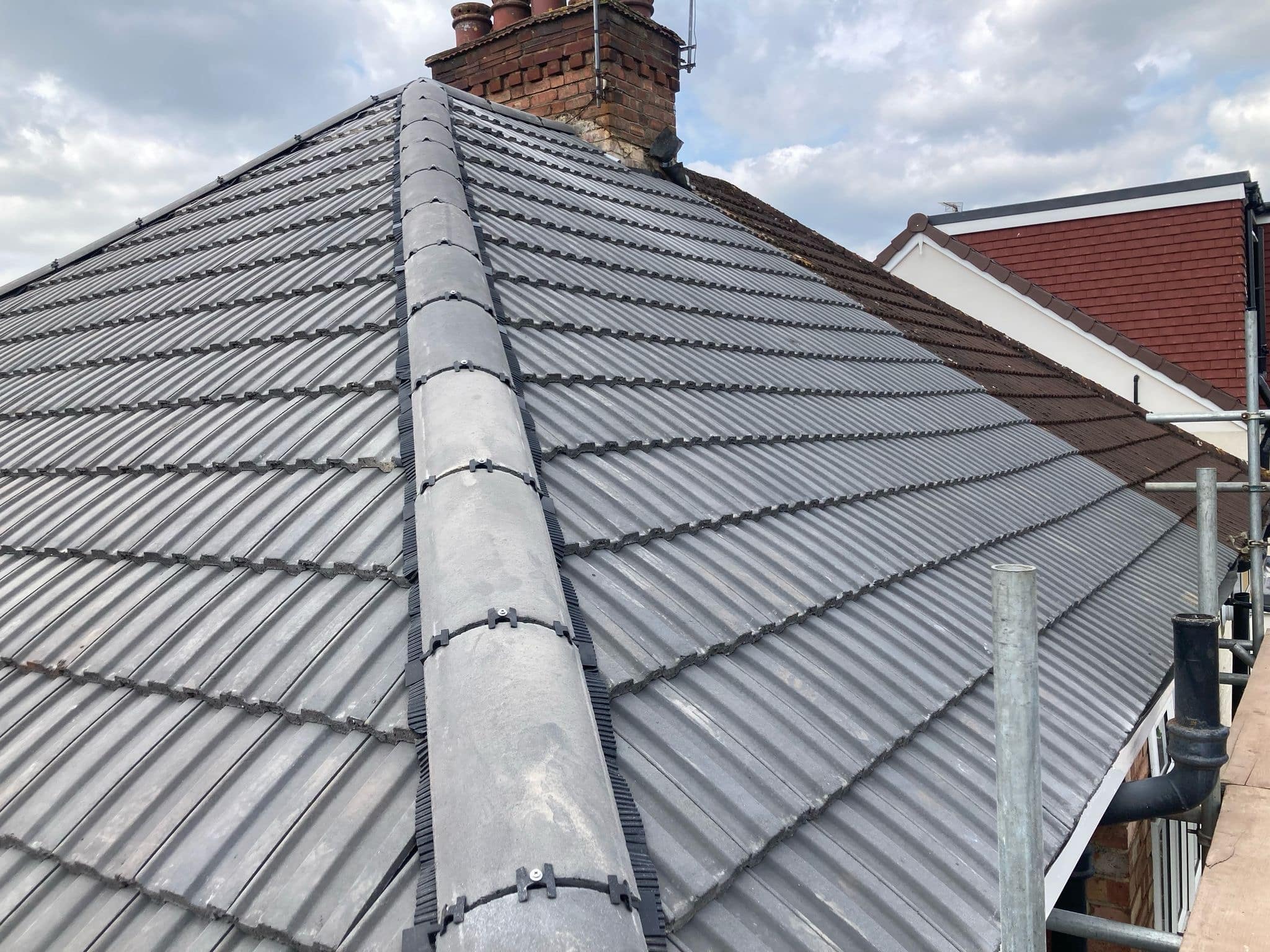
Roof work is dangerous, and proper roof scaffolding is non-negotiable. A reputable roofer will put up scaffolding that meets current health and safety standards, with guard rails and toe boards. I've seen cowboys working off ladders on a steep pitch, which is not just unsafe but also means they can't carry the tools and materials needed for a proper job. When you're comparing quotes, if one is significantly cheaper, ask about scaffolding. It's often the first thing they cut corners on. A safe job costs more, but it's the only way to work.
Regulations and Standards
Building regulations apply to most roofing work, especially if you're replacing more than 25 percent of the roof covering or altering the structure. This covers things like the strength of the roof, insulation levels, and fire safety. A good roofer will know the local building control team and can advise on what needs approval. They should also be able to provide a certificate of compliance for the work. If a roofer says you don't need building regulations, that's a red flag. It's worth checking if they're registered with a trade body like the Federation of Master Builders. That's not a guarantee of perfection, but it shows they take standards seriously.
When we talk about roofers in Twickenham, we're really talking about a service that understands the local housing stock, the weather patterns, and the materials that work best here. It's not a generic skill. It's about knowing that a 1920s semi in Strawberry Hill has different needs than a 1990s townhouse near the town centre. It's about being able to look at a roof and see the potential problems before they become emergencies.
What to Look For in a Roofer
If you're looking for roofers in Twickenham, here are a few things to check:

- Ask for references from local jobs, ideally ones that are a few years old.
- Get a detailed written quote that lists materials, not just a price.
- Check they have public liability insurance and proper scaffolding.
- See if they belong to a recognised trade body like the Federation of Master Builders.
- Talk to them about the specific roof type you have - a good roofer will ask questions about the existing materials and structure.
Roofing is an investment. A quality job can last decades, while a poor one can cause years of leaks and stress. Taking the time to choose the right team, one that knows the area and the materials, pays off in the long run. Whether it's a simple repair, a new flat roof in felt or EPDM, or a full re-roofing with slate or concrete tiles, the principles are the same: do it properly, use the right materials, and respect the building's character.
In the end, a roof is more than just a covering. It's what keeps your home dry and warm. Getting it right is worth the effort.